
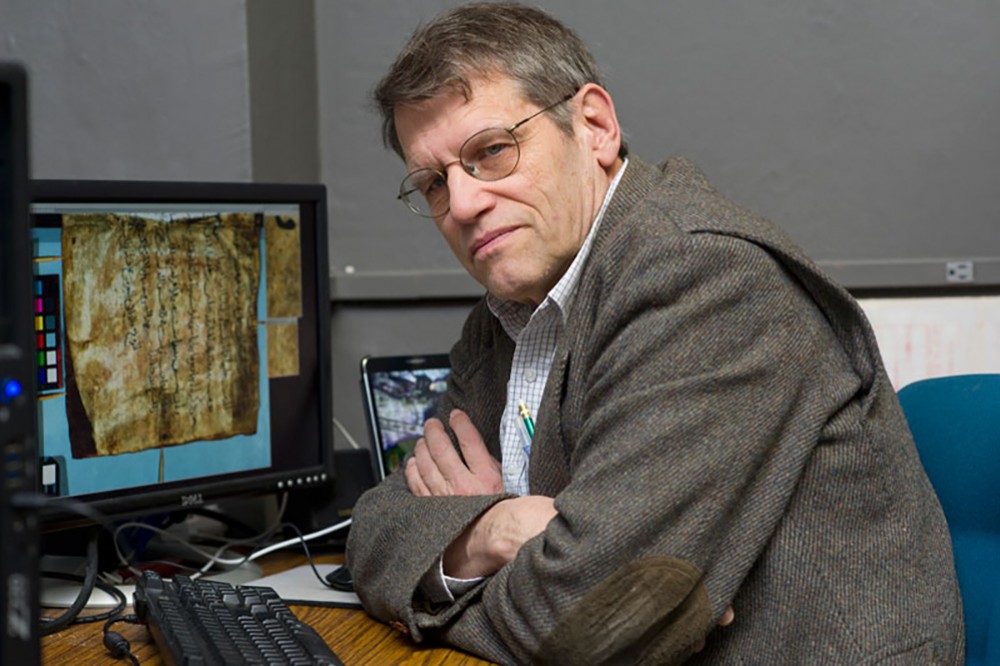
Roger L. Easton Jr.
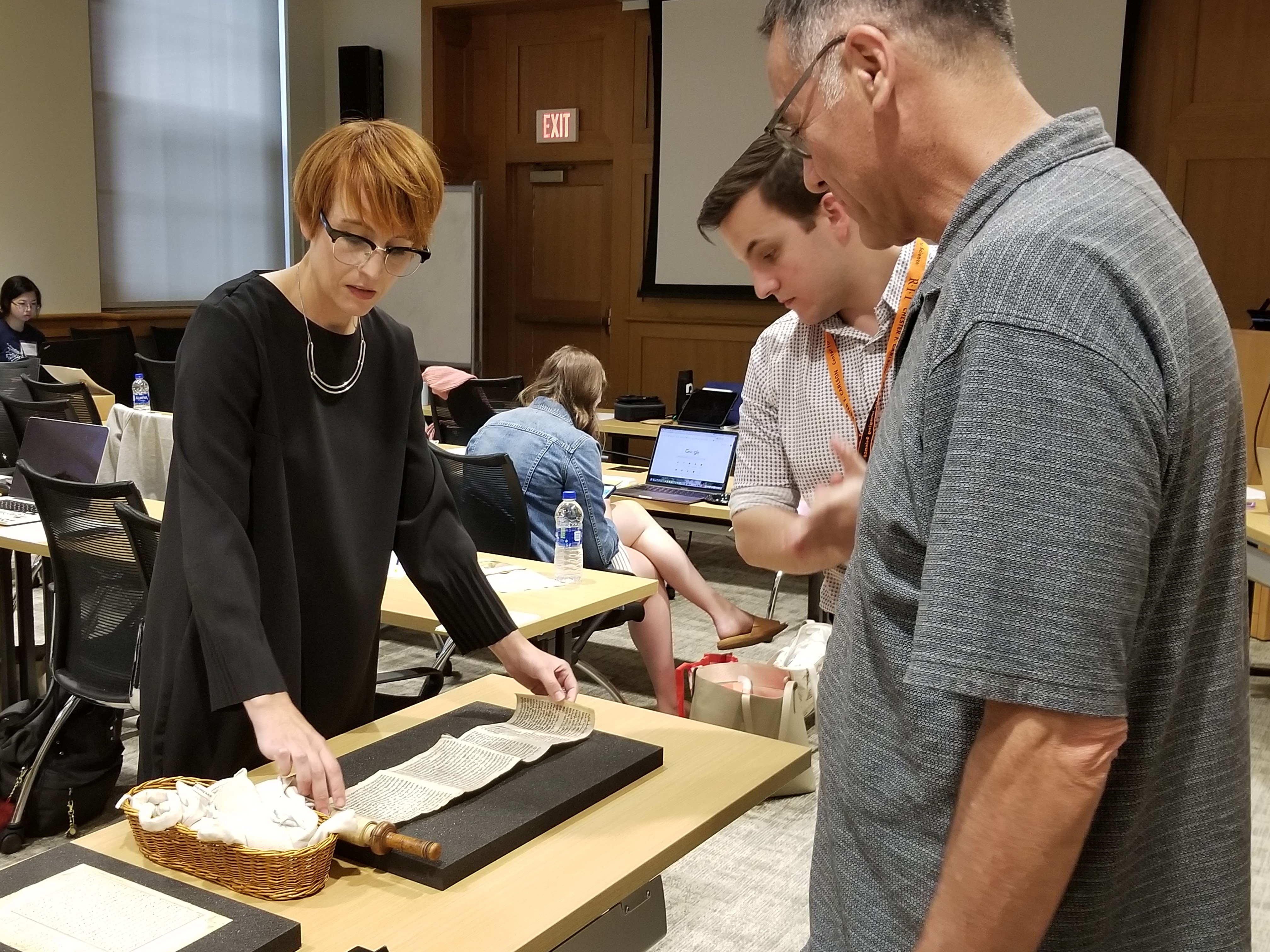
Dr. Easton is a professor at Chester F. Carlson Center for Imaging Science at the Rochester Institute of Technology working in the field of cultural heritage preservation.
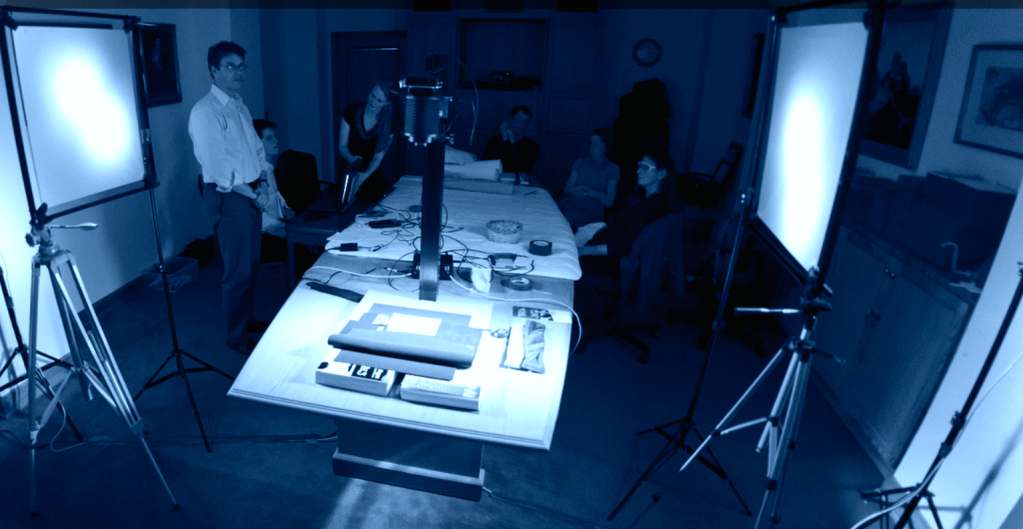
The Lazarus Project
An interdisciplinary initiative that brings together experts in the sciences and the humanities to recover the lost stories of our collective past and fill in the gaps in the record of human knowledge. Learn more here.
Early Manuscripts Electronic Library (EMEL)
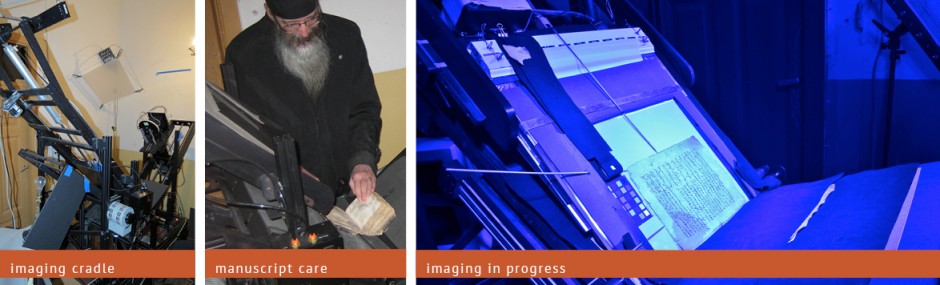
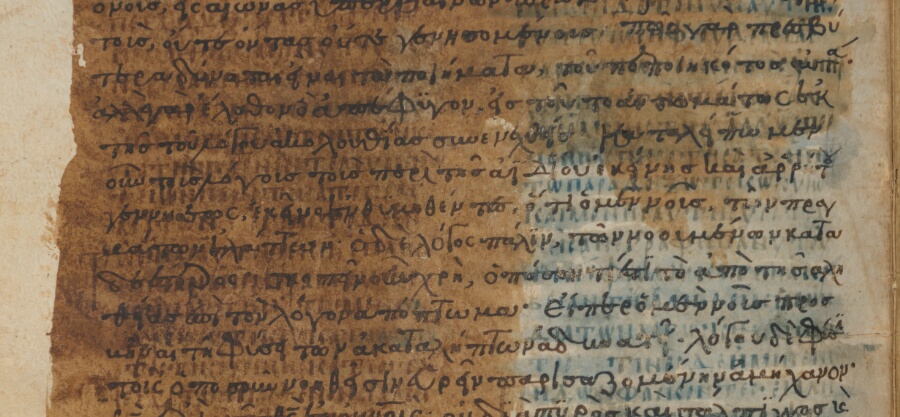
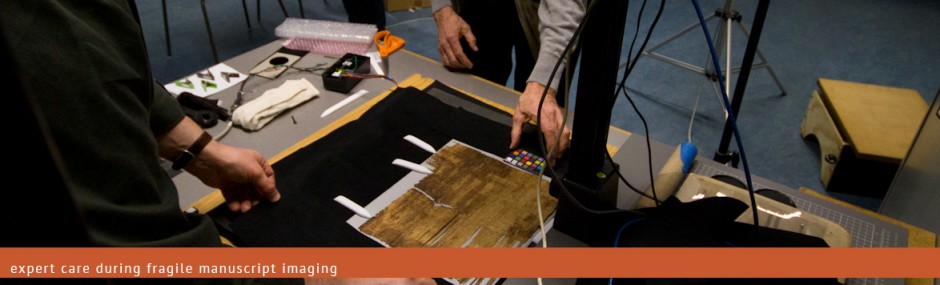
Using digital technology to recover writing on ancient manuscripts that the human eye cannot see due to damage, deterioration or erasure and can preserve these writings for future generations. Learn more here.
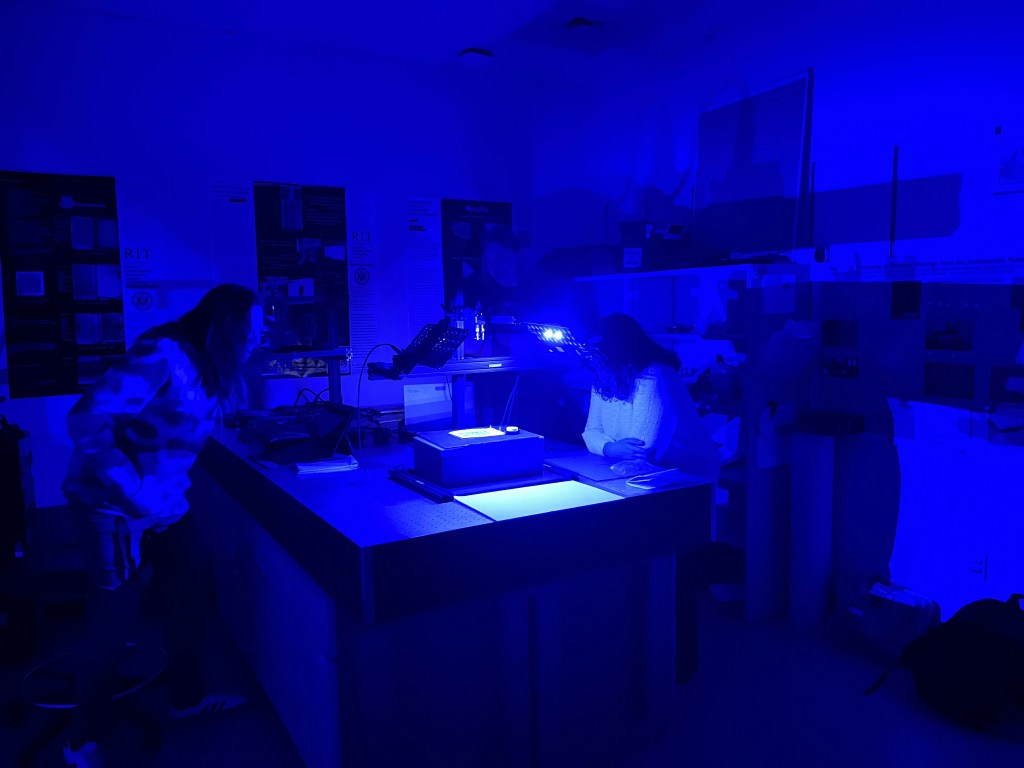
Cultural Heritage Imaging Lab at RIT
The lab is an interdisciplinary effort of the Chester F. Carlson Center for Imaging Science and the Museum Studies program at RIT. The lab is co-directed by Juilee Decker, Roger L. Easton, Jr., and Dave Messinger. See https://www.rit.edu/chipr/misha or email us: misha@rit.edu.

Jubilees Palimpsest Project
The Jubilees Palimpsest Project was founded and is directed by Todd Hanneken at St. Mary’s University in San Antonio. See the complete list of people involved in various phases of the project.
Find out where this image is from
date of the image
Roger Easton Jr
Passionate about cultural heritage imaging, Dr. Easton, for many years has been involved with the application of modern imaging technologies to recover writings from historical manuscripts. He started in this work as a collaboration with the late Dr. Robert Johnston of RIT and Dr. Keith Knox, formerly of Xerox Corporation in Rochester, NY and now retired from the USAF Research Laboratory in Kihei, HI. Their early activity concentrated on the Dead Sea Scrolls, but most of his effort now is devoted to imaging of the Archimedes Palimpsest and the Sarvamoola granthas. Homepage.
The Lazarus Project
Up to now, the area that has become known as Digital Humanities has been focused primarily on large-scale digitization projects of historical manuscripts and printed documents. The goal of these projects is typically to reproduce the visual appearance of the text and sometimes to approximate the experience of reading the actual document. The Lazarus Project intends to explore a complementary path to these efforts by taking advantage of the recent advance of imaging technology. Homepage.
Early Manuscripts Electronic Library (EMEL)
The EMEL uses digital technologies to make manuscripts and other historical source materials accessible for study and appreciation by scholars and the public. EMEL and its affiliated experts offer creative solutions to digitally recover and record vulnerable cultural heritage. Homepage.
Jubilees Palimpsest Project
Pioneers in the recovery of illegible text from ancient manuscripts through new tools in digital archaeology. One example: Spectral RTI combines the advantages of spectral imaging (spatial resolution, color spectrum range and resolution, processed enhancements) with the advantages of Reflectance Transformation Imaging (pixel-level texture mapping, interactivity, enhancements). Homepage.




 R-CHIVE